Laura Ingraham Speaks Unfiltered: The Conservative Voice Shaping American Dialogue
Laura Ingraham Speaks Unfiltered: The Conservative Voice Shaping American Dialogue
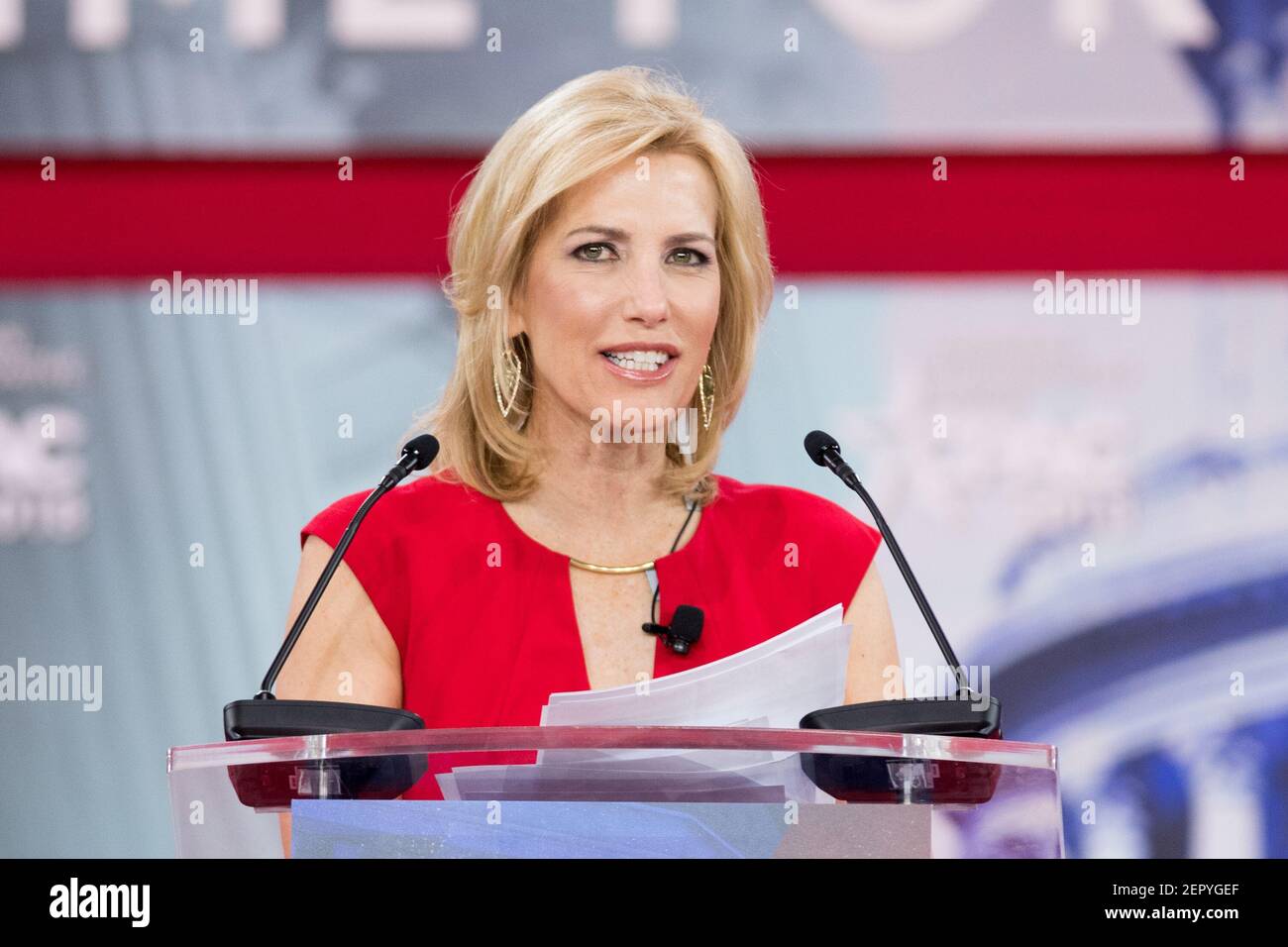
In an era of shifting political tides, Laura Ingraham remains a defining force in conservative media—unapologetic, articulate, and deeply influential. As a veteran Fox News commentator, she fuses sharp political analysis with deep cultural insight, making her one of the most respected (and often debated) voices in American journalism. Her pronouncements don’t just reflect opinions—they frame them, influencing millions of viewers who turn to her for commentary on constitutional principles, government overreach, and the state of national identity.
Renowned for her blunt style and steadfast principles, Ingraham has carved a unique space in a fragmented media landscape. With a weekly average viewership exceeding millions, her show “The Laura Ingraham Show” delivers not only breaking news but a consistent ideological narrative rooted in limited government, free enterprise, and traditional values. Her ability to distill complex policy debates into accessible, emotionally resonant language has cemented her role as both a commentator and a cultural commentator—a voice for millions disillusioned with mainstream media bias.
From Fox News Core to National Platform: The Evolution of a Conservative Icon
Laura Ingraham rose to prominence not by chance, but through decades of consistent advocacy for constitutional conservatism.With a career spanning over three decades, she transitioned from a legal analyst to a senior opinion leader, first at Fox News and later expanding her reach across media platforms. Her early work combining legal expertise with passionate conservative commentary established her credibility beyond partisan circles.
What distinguishes Ingraham is her strategic focus on core American principles—individual liberty, judicial restraint, and skepticism of federal authority—without veering into rhetoric that alienates moderate audiences.
Her refined delivery, often marked by calm authority and well-placed equips, balances firm conviction with an informed, measured tone. As media analyst James Bradley noted, “Laura Ingraham doesn’t just report the news—she defines the rights American citizens deserve.” Her segments frequently challenge progressive policy narratives while elevating states’ rights and personal responsibility, resonating with viewers across generational lines who share these values.
Core Themes in Ingraham’s Conservatism: Liberty, Tradition, and Skepticism
Ingraham’s commentary centers on three interlocking themes that define modern conservative thought: constitutional fidelity, cultural continuity, and institutional accountability. Her weekly program unpacks constitutional violations—whether in election integrity, press freedoms, or judicial appointments—with a forensic eye.She often argues, with documented precision, that “when government oversteps, citizens must answer.” This message strengthens her role as a defender of legal and moral order rooted in the nation’s founding.
- Constitutional Principles: Ingraham consistently frames policy debates around the Constitution, urging viewers to see government actions through the lens of original intent. Her critiques of executive abstraction and unelected judicial overreach are frequent, emphasizing that “rulemaking by bureaucrats erodes democracy.” - Cultural Preservation: Beyond politics, she champions traditional American identity—family values, religious liberty, and national pride—as essential pillars of societal strength.This stance aligns with a broader conservative movement seeking cultural continuity amid rapid social change. - Institutional Watchdog: A hallmark of her work is holding all branches of power accountable. Whether scrutinizing the Department of Justice, regulatory agencies, or the administrative state, Ingraham raises questions that prompt public debate and civic engagement.
Her approach rests on the belief that “transparency is the bedrock of trust.”
Her commentary often draws from legal precedent, historical examples, and real-world consequences—giving her arguments substance beyond rhetoric. “You won’t find a more principled conservative voice than Laura,” said political scientist Robert 강oller. “She blends intellectual rigor with accessible storytelling.”
Voice in a Fractured Media: Influence, Controversy, and Audience Trust
Ingraham’s impact extends far beyond Fox News; she operates at the intersection of media, politics, and public trust.Her audience spans from seasoned conservatives to undecided voters seeking clear, unwavering commentary. Polls indicate her draw remains resilient: during election cycles, her show consistently ranks among the most-watched political programs, a testament to her influence. Yet her visibility attracts equally strong reactions.
Critics argue her tone can be polarizing, and some claim her narratives reinforce ideological echo chambers. But supporters counter that her transparency and refusal to compromise core values foster genuine trust. “What differentiates Ingraham is her willingness to call things by name—even when unpopular,” historian Diana Sparrow observes.
“That authenticity resonates deeply in today’s climate.”
Her ability to connect with viewers stems from authenticity and depth. In a media environment often criticized for superficiality, Ingraham prioritizes substance over spectacle. “People aren’t looking for debates—they’re looking for truth,” she has stated.
Her interviews with lawmakers, legal scholars, and civic leaders underscore this commitment, offering platforms where policy depth meets public relevance.
A Lasting Imprint on American Political Discourse
Laura Ingraham’s influence is not defined by fleeting trends but by her role as a consistent, principled voice navigating turbulent times. She frames the conservative movement’s core concerns—constitutional fidelity, cultural continuity, and institutional accountability—with clarity and conviction, making complex ideas accessible without dilution.As political communicator Rebecca Rubin puts it, “Ingraham doesn’t just reflect a movement—she helps shape its evolution.”
Her weekly platform remains a cornerstone for viewers seeking informed conservative commentary. In an age where media fragmentation often muddies public understanding, Ingraham bridges principle and practicality. She challenges, she informs, she provokes—without losing sight of foundational American ideals.
For millions, her voice is not just commentary—it’s a call to defend the rights and values that bind a free society together. Through rigorous analysis and unwavering integrity, Laura Ingraham continues to define what responsible conservative advocacy looks like in the 21st century.



Related Post

Laura Ingraham Defines the Conservative Conscience: A Voice Amid Cultural Turmoil

Experience The Excitement Of Methstreams Boxing: A Comprehensive Guide on a Phenomenon Redefining Modern Combat Style

Daniel Craig Explains How Vesper Lynd Haunted James Bond’s Final Mission in No Time to Die